
The Abel Kopl Archive
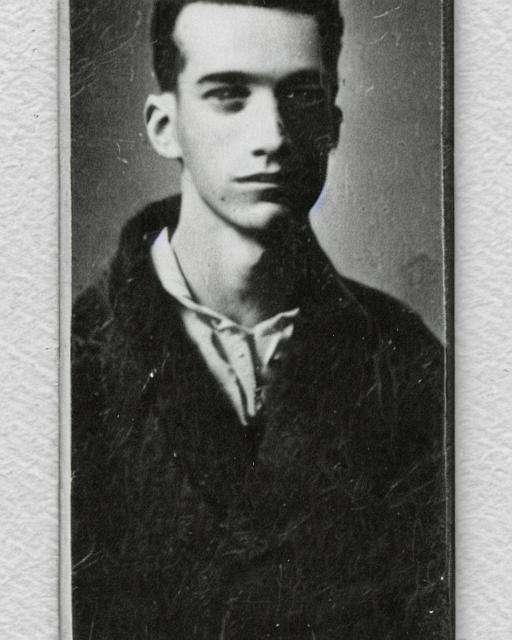
Abel Kopl Overview
Abel Kopl was born and raised in Vienna, Austria. He grew up in a close-knit Jewish community and spent his childhood studying the Torah and playing with his siblings and friends.
But when the Nazi party came to power, everything changed. Abel’s family was forced to flee their home and go into hiding, as the Nazis begin rounding up Jews and sending them to concentration camps.
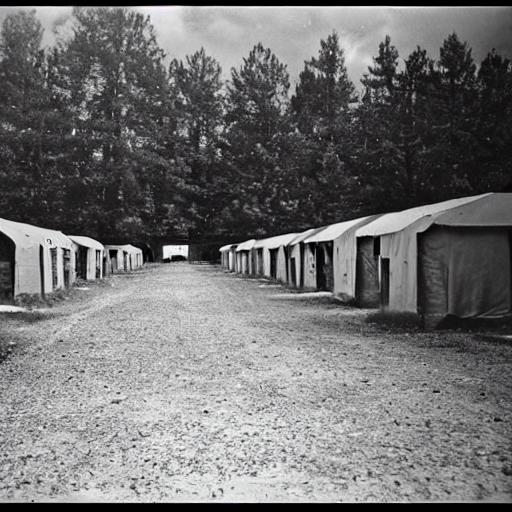
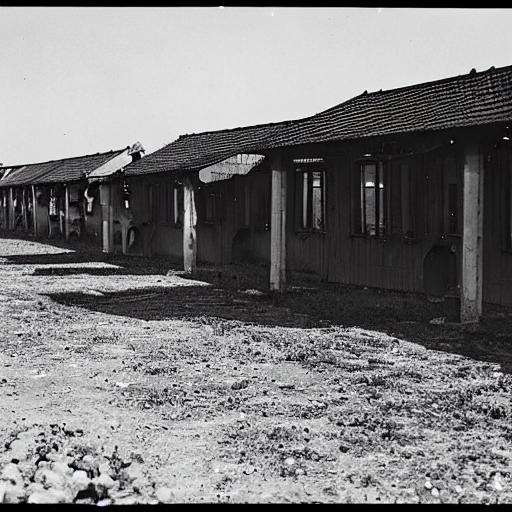
Despite their efforts to evade the Nazis, Abel and his family were eventually caught and taken prisoner. They were sent to a concentration camp in Austria, where they were subjected to unspeakable horrors and forced to work long hours in harsh conditions.

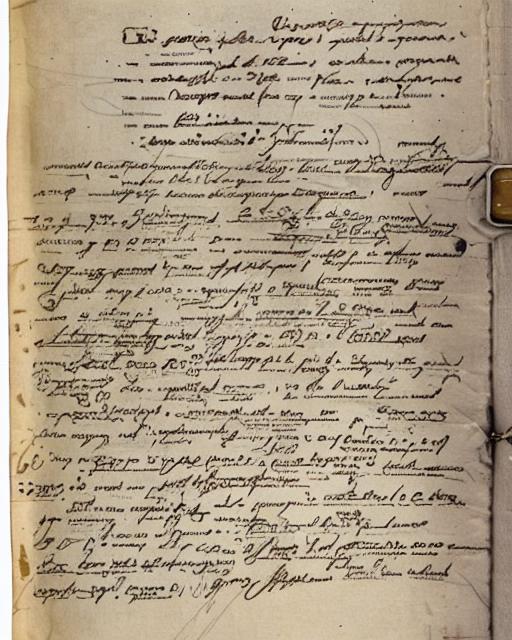
Journal Entries
March 12, 1938
Today is a day that will be etched in my memory forever. The Nazis have taken over our country, and everything is changing. There are soldiers on every corner, and I can feel the tension in the air.
As a Jewish man, I am terrified for what this means for me and my family. We have heard stories of the atrocities that the Nazis have committed against our people in Germany, and we fear that the same fate awaits us.
April 9, 1938
It’s getting worse every day. They are taking away our rights and our freedoms, and we are powerless to stop them. Our businesses and our homes are being seized, and we are being forced to wear a yellow star to mark us as Jews.
My family is living in constant fear, never knowing when we will be taken away to a concentration camp. We have heard rumors of what goes on there, and it fills me with dread.
September 2, 1939
War has broken out, and the Nazis are even more brutal than before. They are rounding up Jews and other minorities, taking them away to be killed or used as forced labor. I fear that my time is running out.
But I will not give up hope. I will continue to fight for my survival, and for the survival of my family and my people. I will do whatever it takes to stay alive and to resist this evil regime.
I pray for a better future, one where people are judged by their character and not their religion or ethnicity. Until then, I will keep fighting, keep hoping, and keep believing that there is a better world out there for us.
Escaping the Camp
Abel Kopl had been working as a laborer in an Austrian concentration camp for months. Every day was a struggle to survive, and he had seen far too many of his fellow prisoners succumb to starvation, disease, or outright murder by the guards.
But Abel was a fighter. He clung to the hope that he would one day escape this hellish place and be reunited with his family. And one day, that hope became reality.
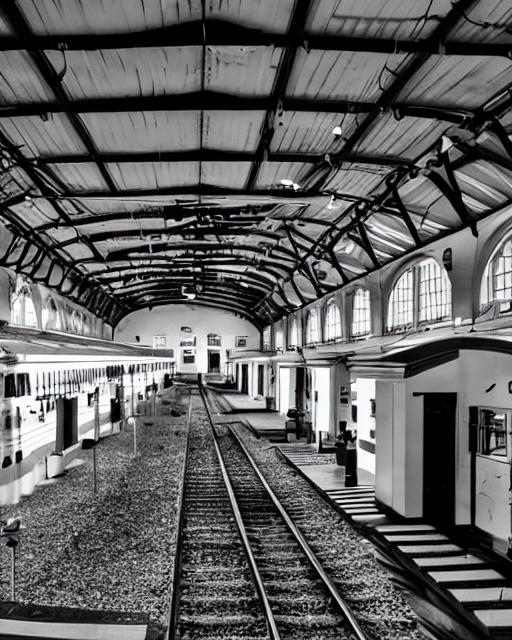
Abel had been assigned to a work detail that involved loading supplies onto a train. As he and his fellow prisoners worked, he noticed that the train was headed in a different direction than usual. It was heading towards Yugoslavia.
Abel knew this was his chance. He had heard rumors of partisans fighting against the Nazis in Yugoslavia, and he was determined to join them. So, he waited for the right moment, biding his time until the train was moving at just the right speed.
And then, without hesitation, he leapt from the train.
Abel tumbled down the embankment, scraping his skin and bruising his body. But he got back up, ignoring the pain, and started running.
He ran for hours, pushing himself harder than he ever had before. He didn’t stop until he was certain that he had put a good distance between himself and the camp.
As the sun began to set, Abel collapsed against a tree, panting and exhausted. But he was free. Free from the concentration camp that had held him captive for so long.
The road ahead was uncertain, but Abel knew he had made the right choice. He was alive, and he had a chance to fight back against the Nazis who had taken so much from him.
And with that thought in his mind, Abel Kopl set off into the night, determined to make the most of his newfound freedom. He eventually joined up with a group of Yugoslavian partisans and fought against the Nazis until the end of the war.
Though the scars of his time in the concentration camp would never fully heal, Abel found solace in the knowledge that he had survived and fought back against the evil that had tried to destroy him.
Gaining Documentation
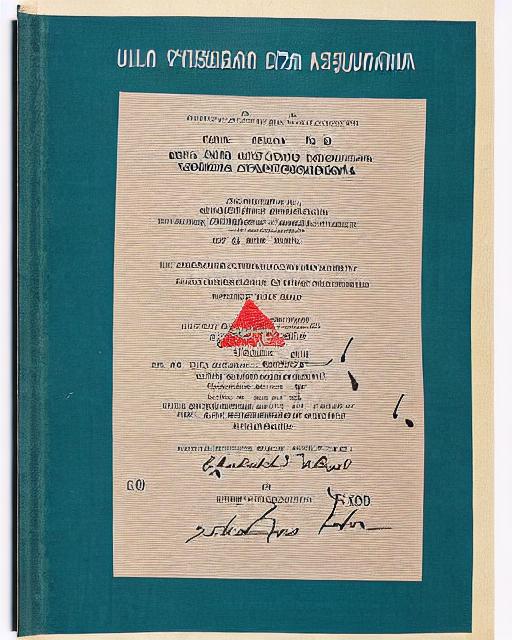
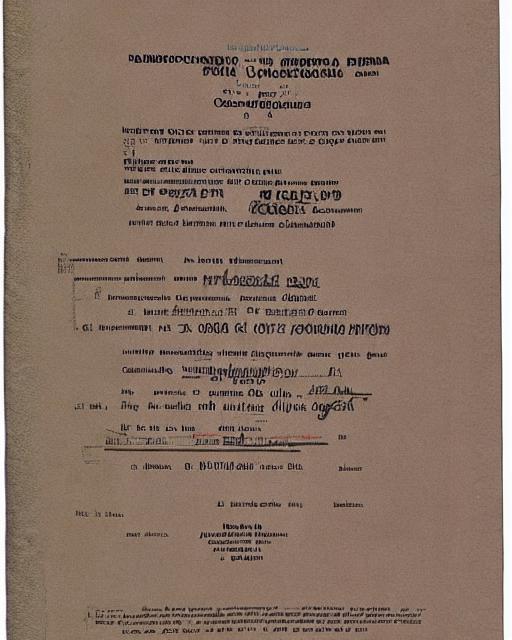
As a Jewish refugee, Abel knew that he needed proper documents to establish his identity and avoid being arrested or deported by the authorities. He also needed to find a way to support himself and build a new life in this unfamiliar country.
Abel began to make inquiries, asking around among the other refugees and locals for advice and assistance. Eventually, he heard about an underground network that specialized in forging documents for Jewish refugees.
With a newfound sense of hope, Abel set out to find these forgers. He journeyed across the country, dodging patrols and hiding in safe houses along the way.
Finally, he arrived at the safe house where the forgers were located. They were a group of determined men and women who had risked their lives to help Jewish refugees like Abel.
Abel explained his situation to them and they agreed to help him. Over the next several weeks, they worked together to forge new documents for Abel, including a passport and a birth certificate.
With his new documents in hand, Abel was finally able to start building a new life for himself in Yugoslavia. He found work at a local factory and began to build a new community of friends and fellow refugees.
But he never forgot the sacrifices that had been made to help him. He remained grateful to the forgers who had risked their own lives to help him establish his own, and he remained committed to doing his part to help others in need.
Abel knew that the road ahead would be long and difficult, but he was determined to make the most of his newfound freedom and build a brighter future for himself and his fellow refugees.
After the War
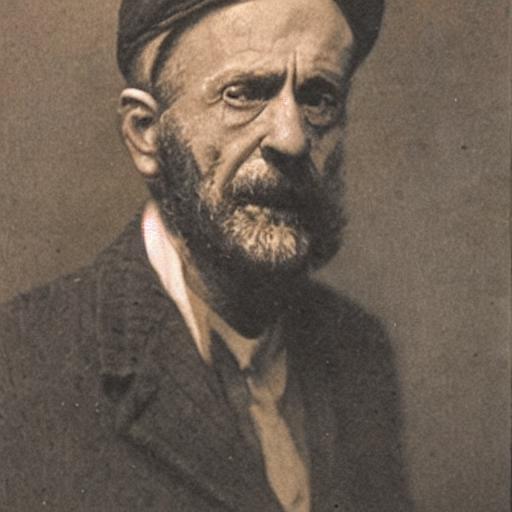
After the war, Abel Kopl found himself a survivor of the horrors of the Nazi occupation of Austria. He was one of the lucky ones, having managed to escape from a concentration camp and make his way to England. There, he started a new life, building a family and a community of fellow refugees who had also fled from the persecution of the Nazis.